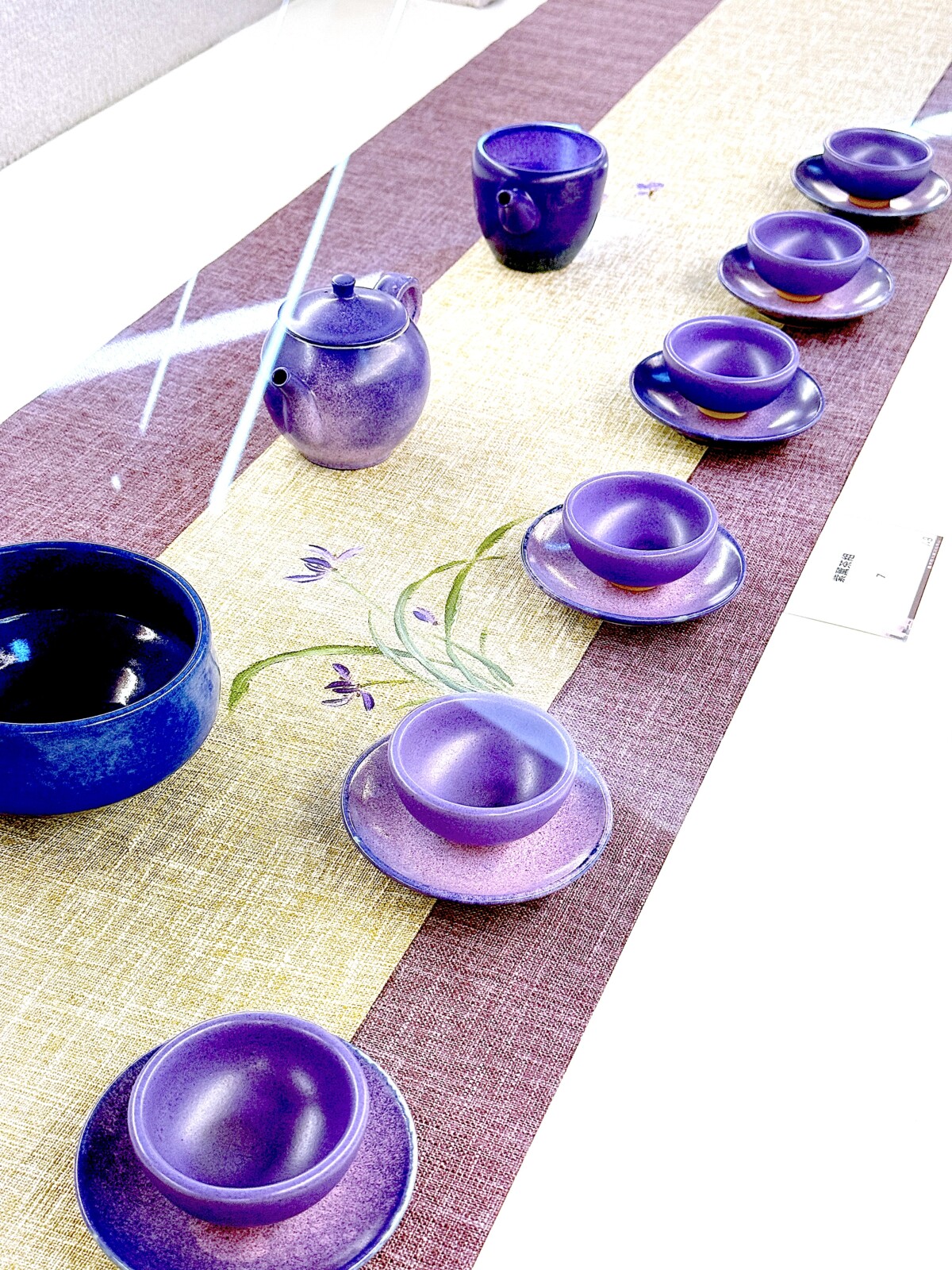
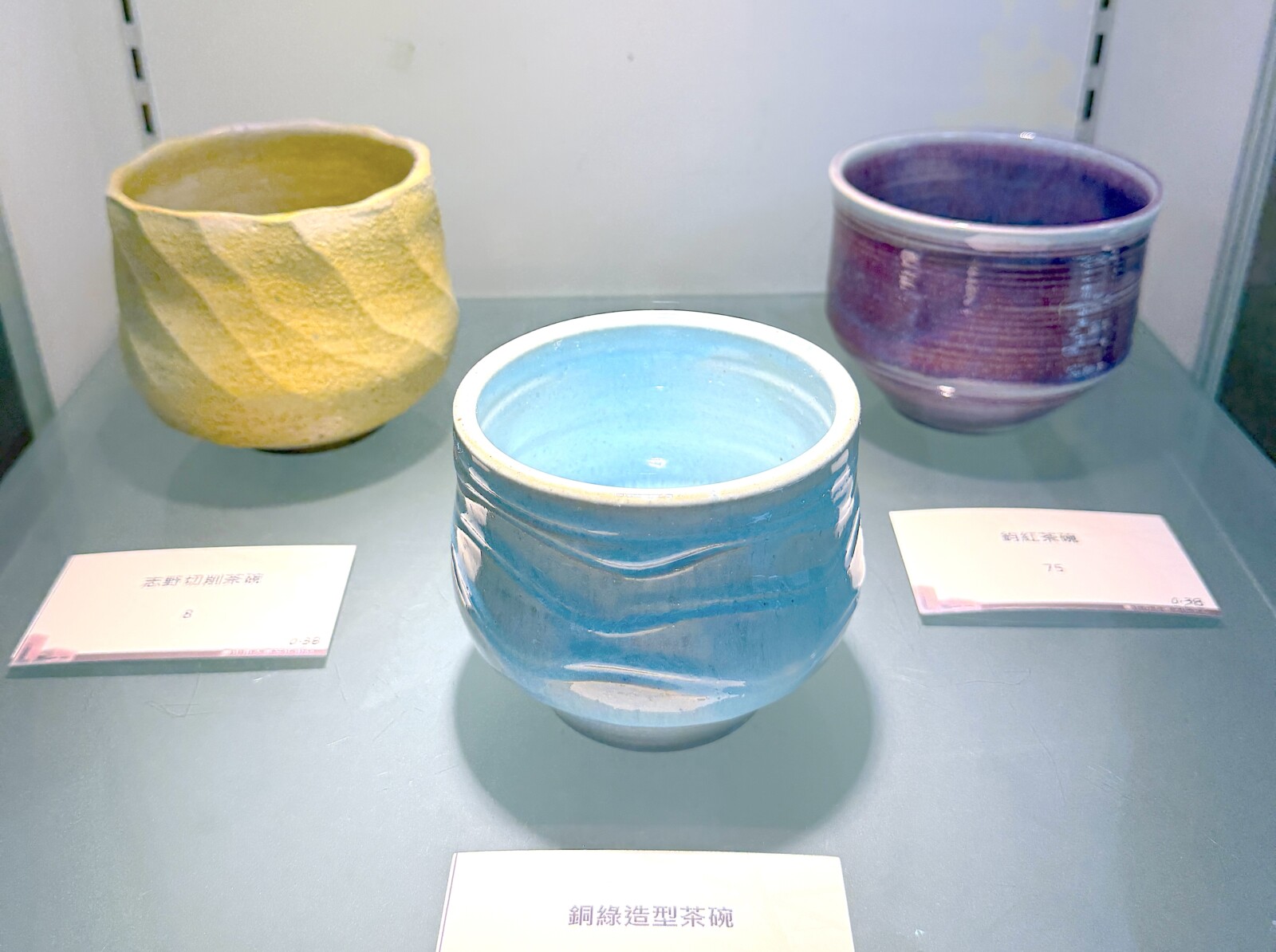
My impression of pottery, though I once made a blue plate in Yingge, mostly remains within a warm color palette, leaning more toward earthy or brown tones. After all, most wood-fired ceramics seen in the mainstream feature relatively steady colors. However, walking into Chuang Pei-shan’s “Pottery Color & Glaze Temptation” exhibition, what catches the eye are vibrant colors. As purple-lovers, our attention was immediately captured.
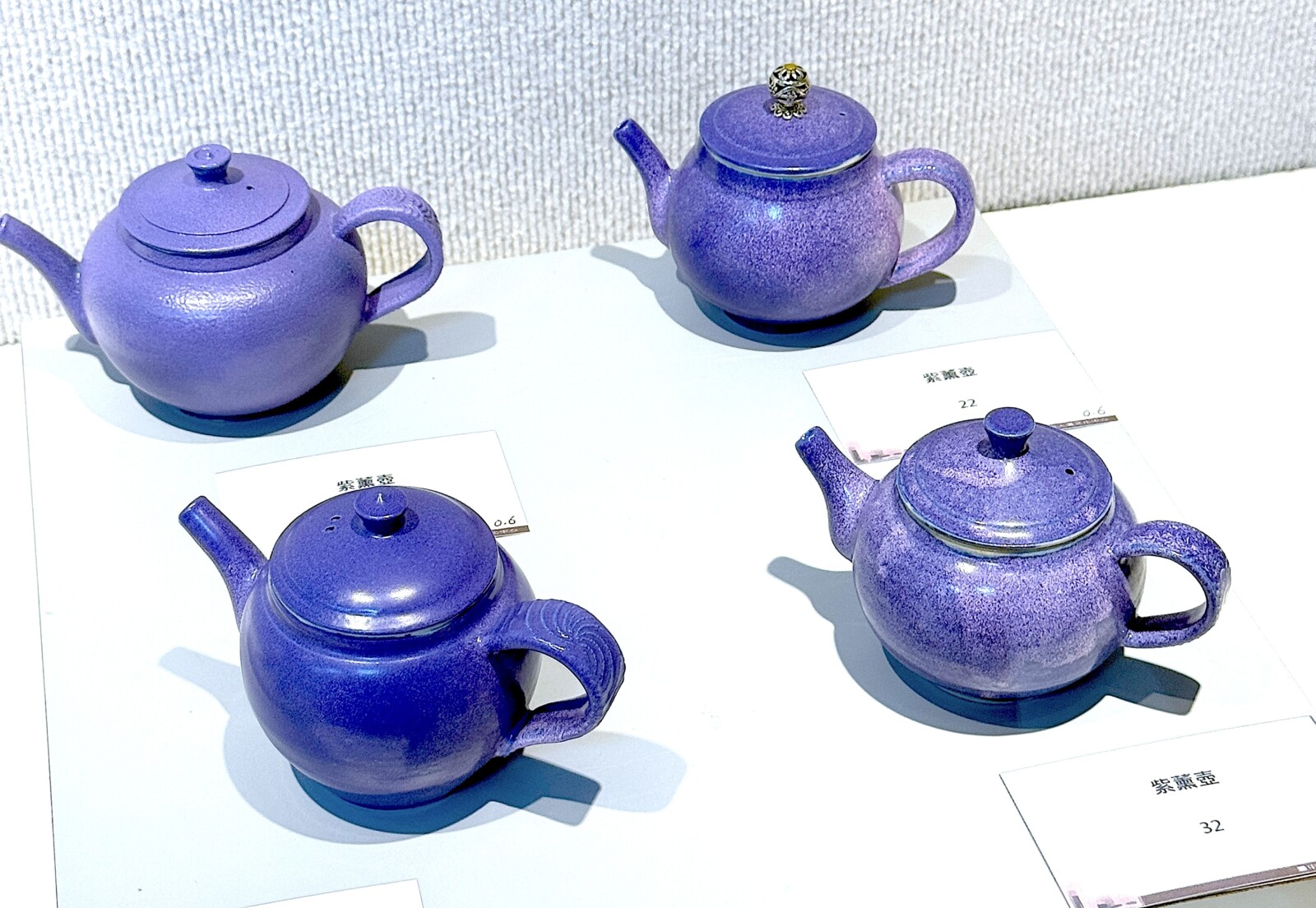
As we wandered, Chuang Pei-shan came over to introduce the pottery. I heard the eight words “One color enters the kiln, ten thousand colors emerge” many times from him, showing his deep passion for clay and glazes. In the world of ceramics, some research the precision of craftsmanship, some pursue different forms, and others chase the fineness of firing; Chuang Pei-shan is fascinated by the presentation of glazes. According to what I learned, he is dedicated to developing unique glaze formulas and uses various firing methods—such as wood firing, electric kiln oxidation, and gas reduction—to present unique glaze colors.
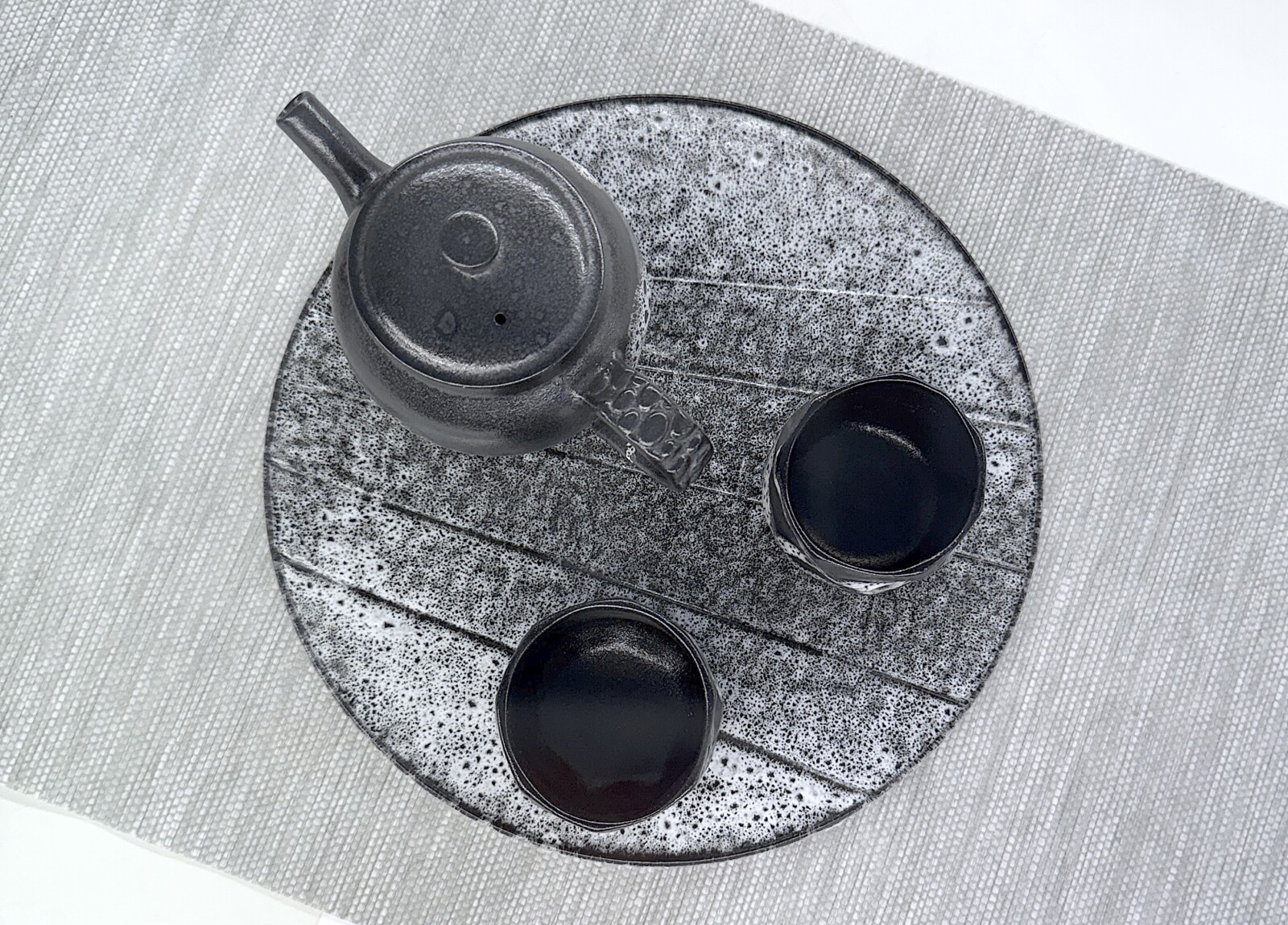
For Chuang Pei-shan, glaze is like the clothing of pottery. When the same series of shapes put on different glaze garments, they evoke completely different feelings and styles, just like people with a thousand different charms. Therefore, this exhibition is titled “Pottery Color & Glaze Temptation” (Tao Se You Huo). It cannot escape Taiwan’s love for homophonic puns, and it perfectly expresses the romantic variety of charms found in pottery plus glaze.
Bright colors usually make people feel joyful and trigger dopamine secretion. Looking at Chuang Pei-shan’s ceramic works, however, there is a sense of warmth and tranquility. Yet, that tranquility lacks the sense of restraint usually found in formal tea ceremonies; perhaps this is the charm of Chuang Pei-shan’s work.
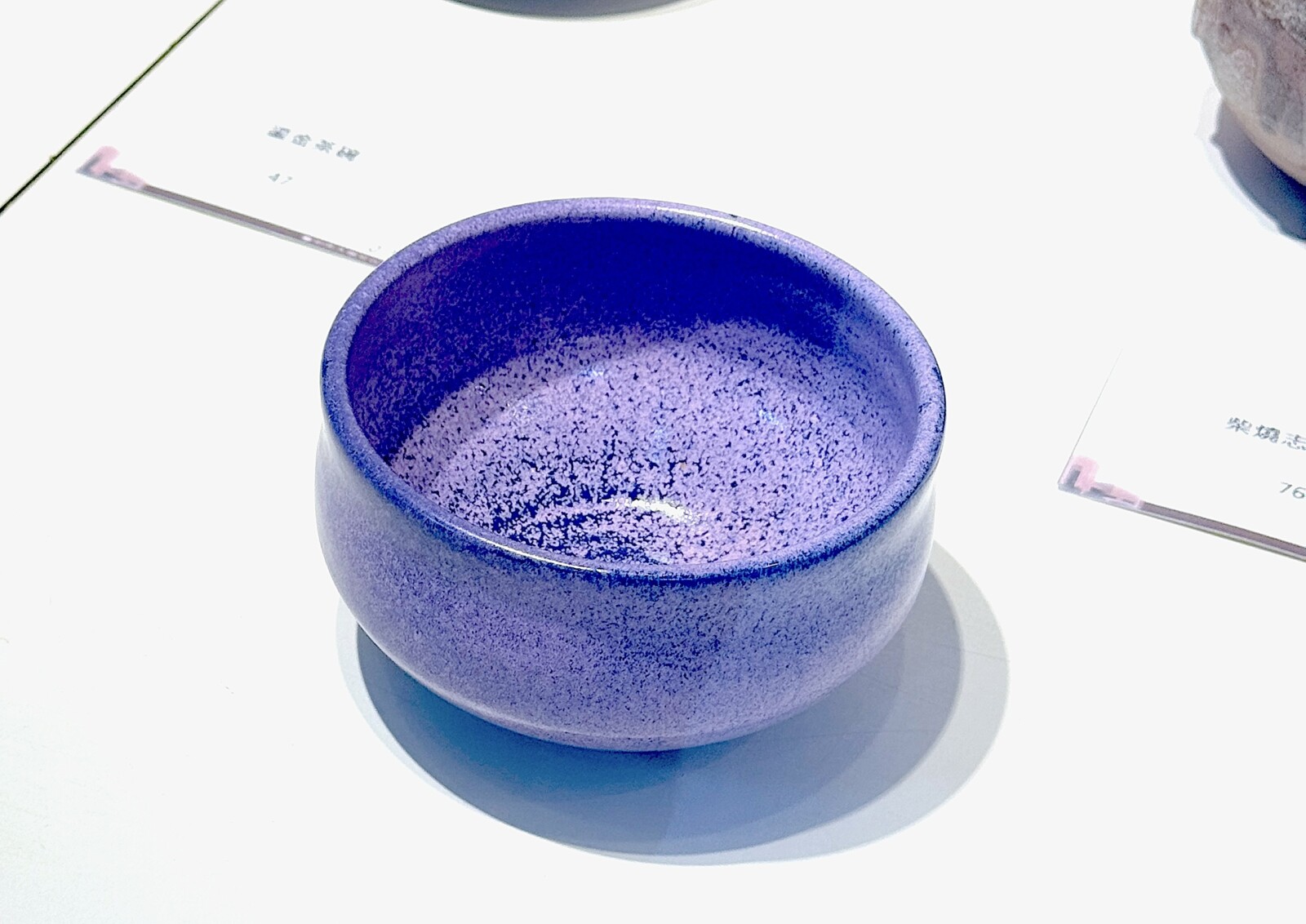
Perhaps such vivid colors are not the easiest tea sets to match for a formal tea ceremony. But tea ceremonies are ultimately about drinking tea. Compared to the monotonous brown-toned tea sets, if one could set a table with vibrant colors, drinking tea upgrades from a sensory ritual of taste and smell to one where even the visual sense can be enjoyed—isn’t that a “beautiful thing”?
Perhaps when the same style comes in different colors, collectors will want to “take them all.” A wall of tea bowls like a color palette brings tea bowl collecting to a whole new level of vision.
Finally, as an editor and a fellow purple-lover, I selected a purple tea bowl with a unique but simple shape for my collection. After all, who could resist such beautiful colors?